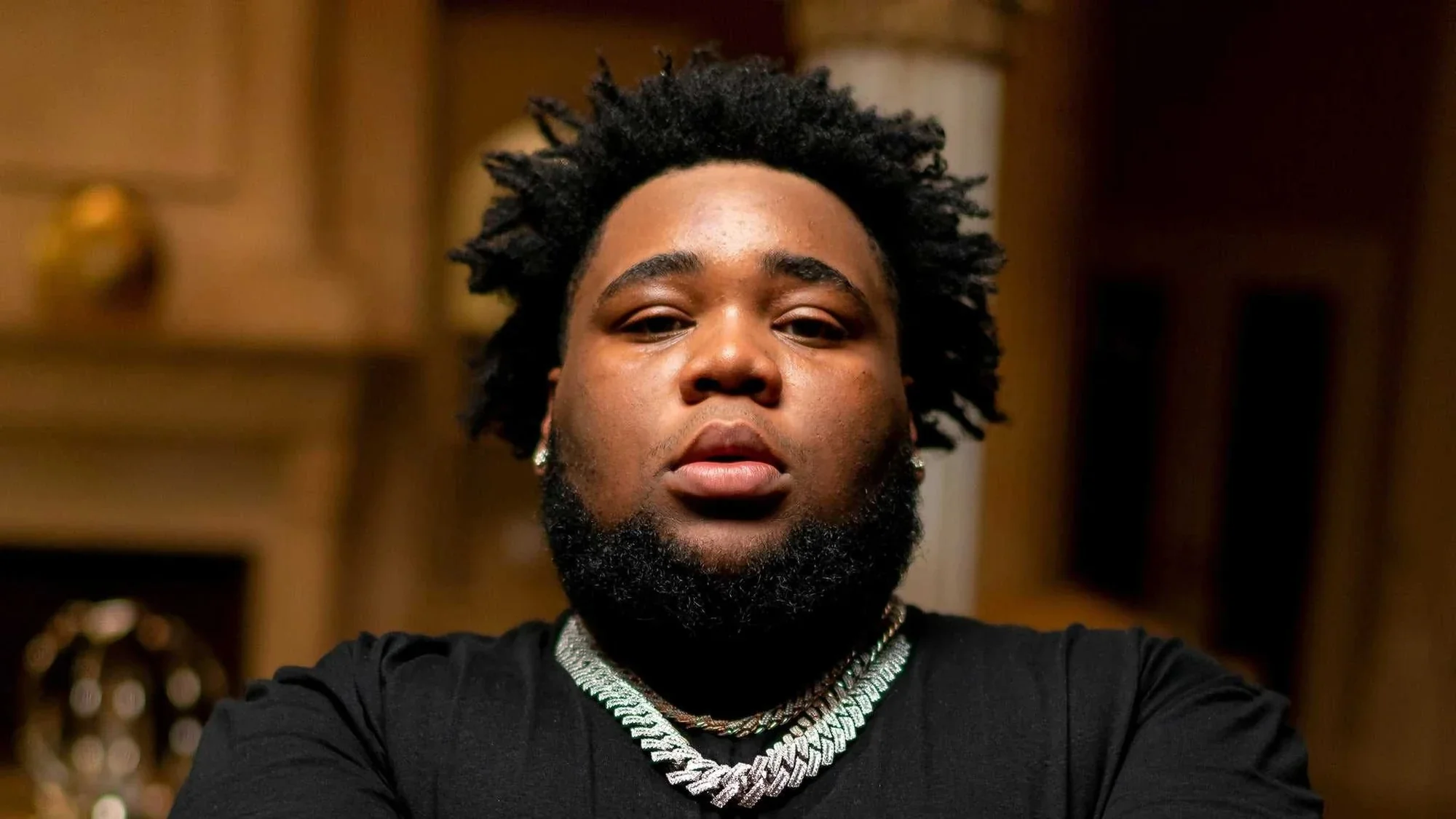
Rod Wave Might Be Hip-Hop’s Quietest Superstar
By Maya Sinclair · 2026-09-15
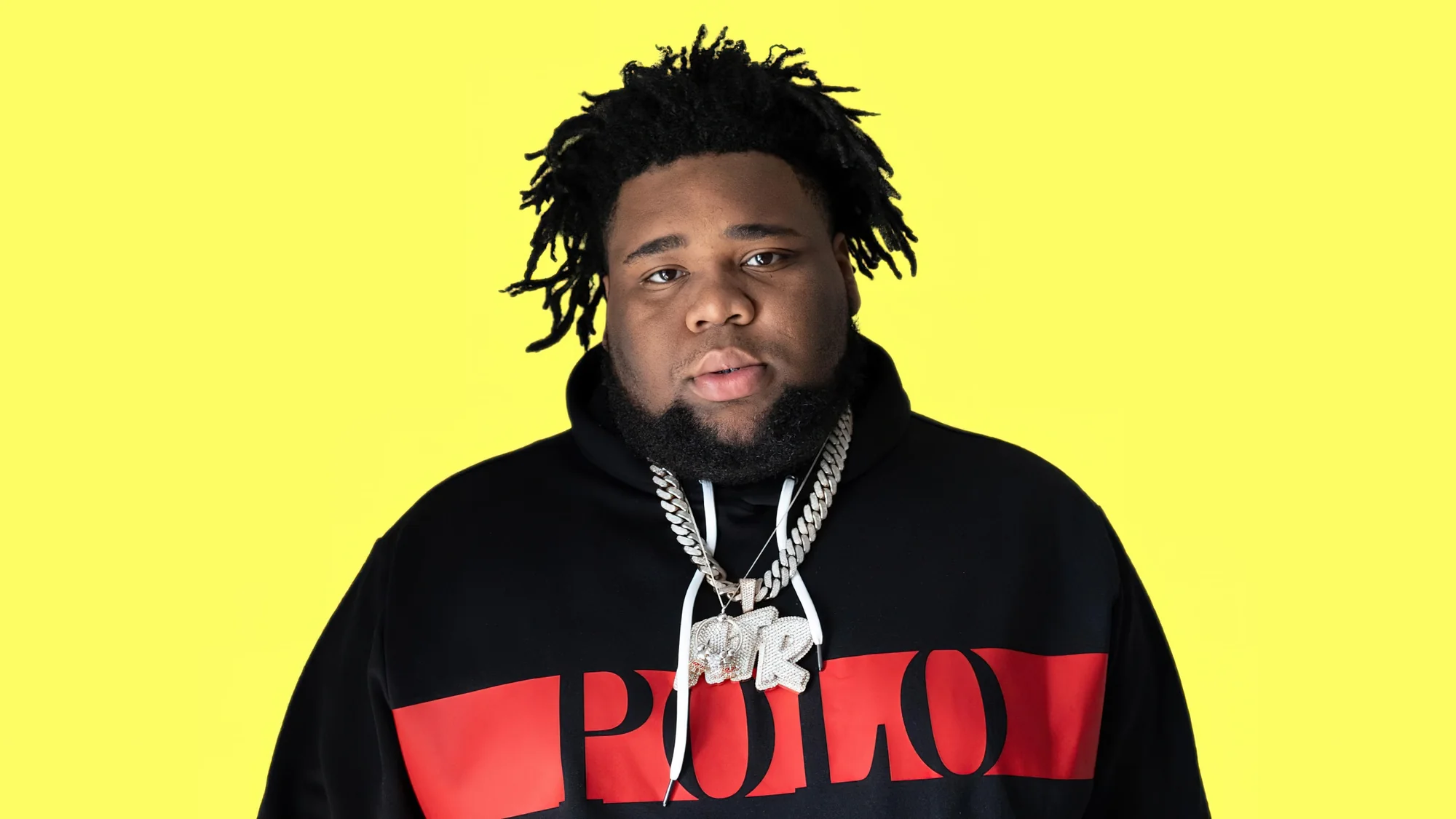
Rod Wave’s Don’t Look Down debuted at No. 1 on the Billboard 200 with 99,000 equivalent album units, adding another major achievement to a career built more on loyal fans than constant headlines.
Rod Wave just put another No. 1 album on the board, and somehow he still doesn’t get discussed like some of the biggest artists in hip-hop.
His seventh studio album, Don’t Look Down, debuted at No. 1 on the Billboard 200 with 99,000 equivalent album units in its opening week. Roughly 90,000 of those units came from streaming activity, representing more than 95 million official on-demand streams during the tracking period. The result gives Rod Wave his fourth No. 1 album and extends an impressive run of eight consecutive top-10 projects.
Those are superstar numbers.
But Rod Wave’s career has always felt different from the traditional superstar formula.
He isn’t constantly dominating gossip pages. He doesn’t seem to build every release around celebrity beef, viral stunts or endless features. He doesn’t need to be the loudest name in the room every week.
He drops music, his audience shows up, and the numbers follow.
That may be one of the most important lessons independent artists can learn from him.
The Fanbase Is the Machine
Rod Wave has spent years building a specific emotional connection with listeners.
His music frequently centers on pain, grief, loyalty, isolation, success, heartbreak and the complicated feeling of getting everything you wanted while still carrying everything you came from.
That consistency has helped create something more valuable than temporary attention.
Trust.
Fans know what they are coming to Rod Wave for.
They are not necessarily expecting him to reinvent himself every six months. They want the emotional honesty, melodic delivery and storytelling that made them connect with him in the first place.
That loyalty shows up in the numbers.
Before Don’t Look Down, Rod Wave had already developed one of the strongest album-performing careers in modern rap. Complex recently described him as one of hip-hop’s most low-key superstars, pointing to his consistent chart performance, arena success and large streaming audience despite receiving less mainstream celebrity attention than many artists operating at a similar commercial level.
That is not an accident.
It is audience development.
He Doesn’t Need a Feature List Full of Superstars
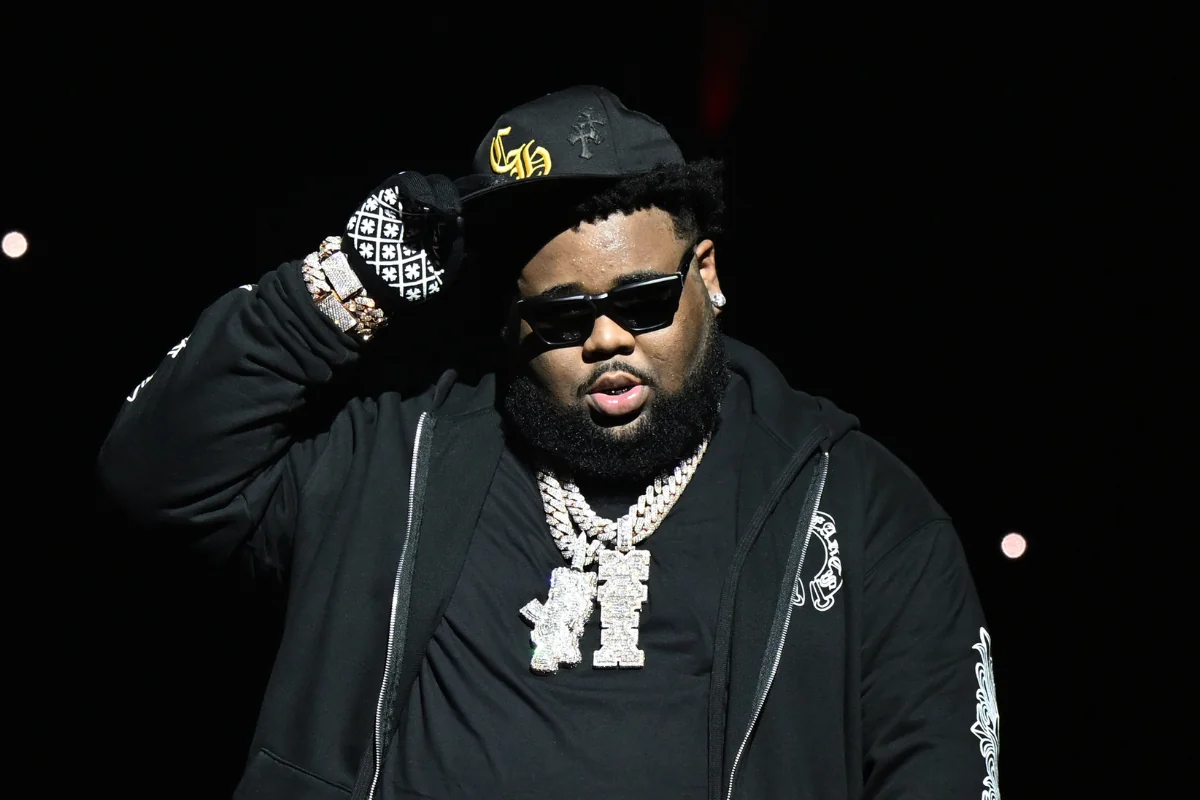
Another interesting part of Don’t Look Down is how little Rod Wave depends on major guest appearances.
The digital edition contains 24 songs, yet the project includes only a small number of featured artists. That continues a pattern from previous albums, where Rod has largely kept the focus on his own voice and story rather than using celebrity collaborations to manufacture attention.
That approach tells you a lot about his fanbase.
People aren’t pressing play because they want to hear who Rod Wave managed to get on the album.
They want Rod Wave.
For developing artists, that distinction matters.
Features can help.
Collaborations can introduce you to new audiences.
But if every record depends on someone bigger than you appearing on it, then your own identity may never become strong enough to carry the project.
Rod Wave has built the opposite situation.
His name is the attraction.
The Numbers Are Bigger Than One Album
Don’t Look Down also continues a remarkable chart run that started years ago.
The album follows Last Lap, which debuted at No. 2 in 2024, while previous Rod Wave projects have repeatedly landed near or at the top of the Billboard 200.
His consistency is particularly impressive because he doesn’t always need one enormous crossover single to drive the entire album.
Three songs released ahead of Don’t Look Down—“Feed the Streets,” “Piece of Your Love” and “Hustle”—charted on Billboard’s Hot R&B/Hip-Hop Songs ranking, but none needed to become a culture-dominating pop smash for the album to succeed.
That tells you his audience consumes projects, not just singles.
In the streaming era, that is a powerful advantage.
A viral single may create a temporary spike.
An audience willing to listen to 20 or more songs can build a career.
Rod Wave Is Selling Arenas Too
Streaming numbers can sometimes create a distorted picture of popularity.
Touring exposes the truth quickly.
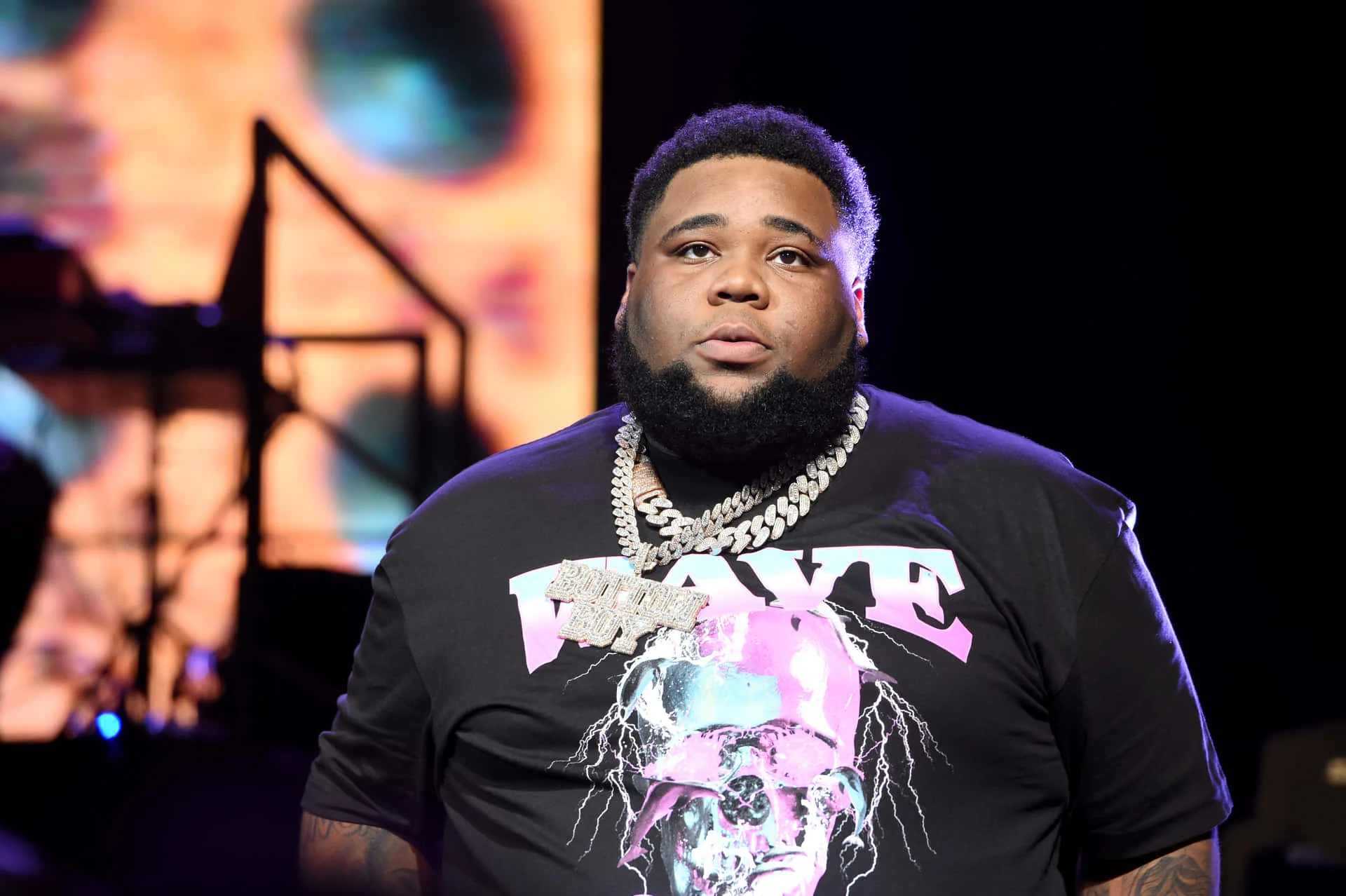
Rod Wave’s Don’t Look Down Tour launched September 12 in Philadelphia and is scheduled to travel across North America through November, with arena dates and Fridayy joining as a special guest.
That matters because an artist can have enormous online numbers without necessarily convincing thousands of people to purchase tickets.
Rod Wave has repeatedly demonstrated that his audience exists outside the algorithm.
They show up physically.
That is another reason the “quiet superstar” label fits.
He may not dominate every entertainment headline, but if the albums go No. 1 and the arenas are filling, how much more evidence does anybody need?
Florida Is Part of the Story
Rod Wave’s success also continues Florida’s long and diverse contribution to hip-hop.
He comes from St. Petersburg, and his sound has never completely followed the traditional blueprint of Atlanta trap, New York lyricism or West Coast rap.
Instead, Rod carved out a lane somewhere between rap, soul, blues and melodic storytelling.
That uniqueness matters.
He didn’t need to sound exactly like the biggest artist before him.
He created a lane strong enough that other artists now get compared to him.
That should be the goal.
Not becoming the next somebody.
Becoming the first version of yourself that other people eventually try to copy.
The Independent Artist Lesson
Rod Wave’s career is a strong argument against one of the biggest misconceptions in modern music.
Artists are constantly told they need to go viral.
That they need controversy.
That they need to post ten times every day.
That they need a celebrity feature.
That they need one giant TikTok moment.
Those things can help.
But none of them replaces a real audience.
Rod Wave shows what happens when listeners become emotionally invested enough to follow an artist from album to album.
That kind of audience doesn’t disappear because a social platform changes its algorithm.
They search for the artist.
They pre-save the album.
They buy tickets.
They play the older records.
They come back.
That is much harder to build than a viral moment.
It is also much harder to lose.
Rod Wave may be one of the clearest examples in hip-hop of the difference between being famous and having a fanbase.
Fame makes people recognize your name.
A fanbase makes them spend money when you drop.
There is a difference.
Independent artists spend a lot of time chasing impressions, followers and views because those numbers are visible.
But the more important question is whether those people actually care.
Will they listen when the hype slows down?
Will they buy a ticket?
Will they play the whole project?
Will they still be there five albums later?
Rod Wave has answered those questions repeatedly.
Don’t Look Down becoming his fourth No. 1 is not some surprise viral moment.
It is the result of years spent building an audience that knows exactly why it is there.
Hip-hop might not always treat Rod Wave like one of its biggest stars.
The numbers already do.
And sometimes the numbers tell the truth louder than the headlines.
Jalen Cross
TRACK WIRE | BTS Music Group
We Don’t Follow the Map. We Change the Whole Route.
Comments (0)
No comments yet. Be the first to say something.