Snoop Dogg Hosting the 2026 VMAs Is What Hip-Hop Longevity Looks Like
By Jalen Cross · 2026-09-16
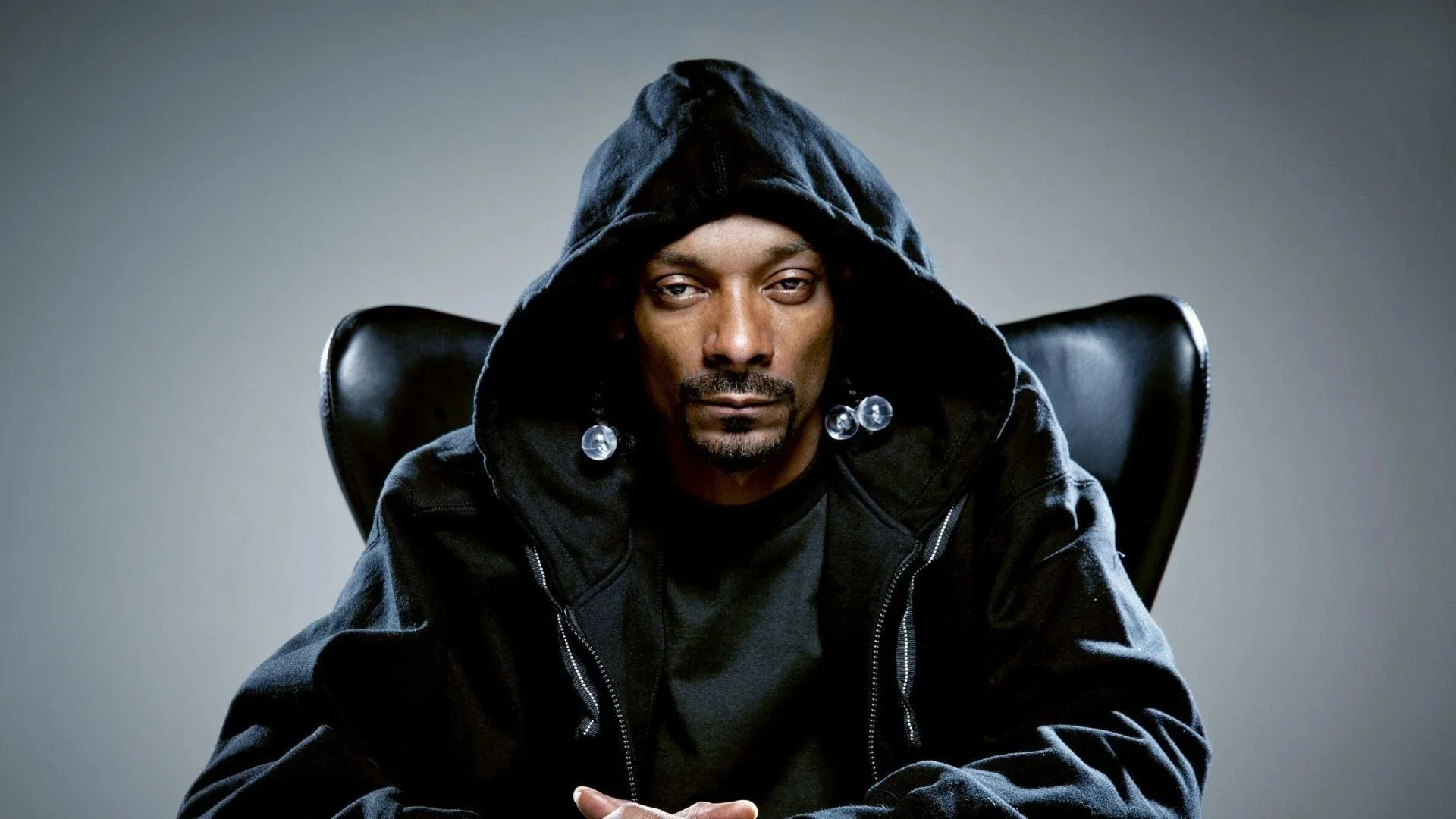
More than three decades after his first VMAs appearance, Snoop Dogg is returning as host of the 2026 MTV Video Music Awards—another chapter in one of hip-hop’s most successful career reinventions.
More than 30 years after Snoop Dogg first stepped onto the MTV Video Music Awards stage, the West Coast icon is coming back in a completely different role.
This time, he's running the show.
CBS and MTV announced that Snoop Dogg will host the 2026 MTV Video Music Awards on Sunday, September 27, live from Los Angeles. The ceremony begins at 7:30 p.m. ET and will air on CBS, simulcast on MTV and stream on Paramount+ Premium in the United States. The event also marks the VMAs' first return to the West Coast since 2017.
For Snoop, the assignment is bigger than another hosting gig.
It represents what more than three decades of survival, reinvention and smart branding can turn a rap career into.
Snoop entered the national spotlight during an era when few people imagined rappers would eventually become the kind of mainstream entertainment figures capable of hosting one of television's biggest music events.
Now he's standing at the center of it.
From VMA Performer to VMA Host
Snoop's relationship with MTV goes back to the early stages of his career.
He made his main-stage VMAs debut in 1994, later closed the 1999 ceremony alongside Dr. Dre and Eminem, participated in a 2005 tribute to The Notorious B.I.G. and returned in 2022 for a performance with Eminem. Across his career, Snoop has received 13 VMA nominations and won three awards.
Now, for the first time, he'll host the ceremony.
Snoop described the opportunity as a full-circle moment, noting that MTV and the VMAs provided hip-hop with a highly visible national platform during the early years of his career.
That history is what makes this booking different.
This isn't simply MTV hiring a celebrity who happens to rap.
Snoop was there when hip-hop was still fighting for the type of mainstream television exposure the genre now takes for granted.
Three decades later, one of the artists who helped push that door open is being handed the keys to the building for the night.
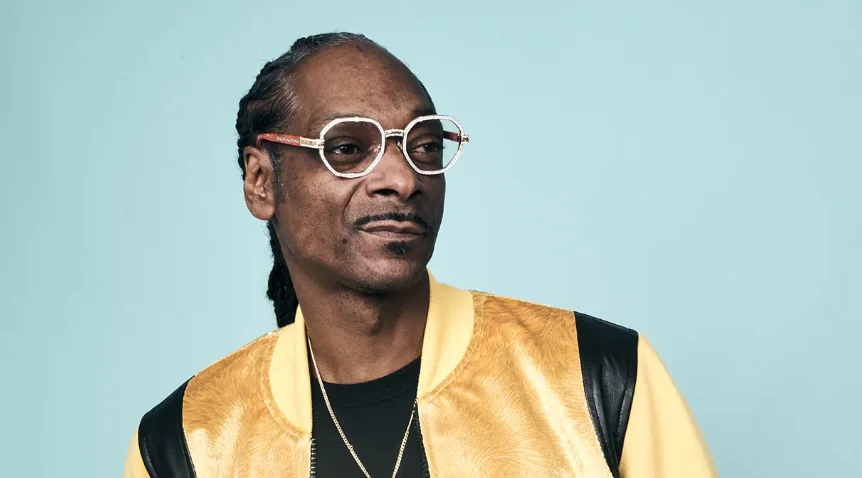
Hip-Hop Wasn't Supposed to Age Like This
One of the most interesting things about Snoop Dogg's career is how dramatically the definition of a successful rapper has changed during his lifetime.
Hip-hop was once viewed by much of corporate America as youth culture with a short expiration date.
Rappers weren't necessarily expected to build 30- or 40-year careers.
There wasn't an established blueprint for what a 50-year-old rap superstar was supposed to look like because the genre hadn't been around long enough to create many of them.
Snoop helped create that blueprint.
He didn't remain relevant by pretending it was still 1993.
He expanded.
Music became television.
Television became movies.
Movies became commercials.
Commercials became brand partnerships.
Brand partnerships became business ventures.
Along the way, Snoop remained recognizable without requiring the public to see him exactly the same way they did when Doggystyle arrived.
That ability to evolve may be his greatest business accomplishment.
Snoop Built Something Bigger Than Records
There are artists with bigger individual albums.
There are rappers with more No. 1 records.
There are performers with larger streaming numbers today.
But very few hip-hop artists have built a personal brand as broadly recognizable as Snoop Dogg.
People who don't follow rap know Snoop.
Parents know him.
Kids know him.
Sports fans know him.
Television audiences know him.
Advertisers know him.
Brands know him.
And importantly, none of that completely erased his original identity.
He is still Snoop Dogg.
That balance is difficult.
Artists sometimes believe expanding into mainstream opportunities means abandoning the audience that built them.
Snoop has repeatedly demonstrated that evolution and authenticity don't necessarily have to fight each other.
The character expanded while the foundation remained familiar.
That's branding.
He's Not Just Hosting—He's Helping Produce It
There is another important detail in the announcement.
Snoop isn't only appearing in front of the camera.
He is also listed as an executive producer of the 2026 VMAs, alongside the production team behind the ceremony.
That is a major distinction.
Hosting gives you visibility.
Producing gives you influence.
And it reflects another phase of Snoop's career: moving from talent participating in entertainment to someone involved in shaping entertainment.
Artists should pay attention to that transition.
At the beginning of a career, most musicians are simply hoping someone gives them an opportunity.
A performance.
A feature.
A record deal.
A television appearance.
But career growth should eventually create leverage.
Instead of only asking, “Can I be on the show?” the question becomes, “Can I help build the show?”
That's where ownership, executive roles and creative control enter the conversation.
The VMAs Coming Back West Matters Too
This year's ceremony returns to Los Angeles for the first time since 2017, which makes Snoop an especially appropriate choice to host.
West Coast hip-hop is inseparable from his story.
Long Beach.
Death Row Records.
Dr. Dre.
G-funk.
The 1990s West Coast explosion.
Those pieces helped turn Snoop into an international figure.
Now the VMAs are returning to Los Angeles with one of the region's most recognizable musical ambassadors standing at center stage.
The ceremony will also honor Nirvana with the Video Vanguard Award, while additional performers, presenters and guests are expected to be announced before the September 27 broadcast.
For viewers who remember MTV in the 1990s, there is something fitting about seeing names from that era still occupying major cultural spaces decades later.
But Snoop's story is different because he never really disappeared long enough to require a comeback.
He just kept changing lanes.
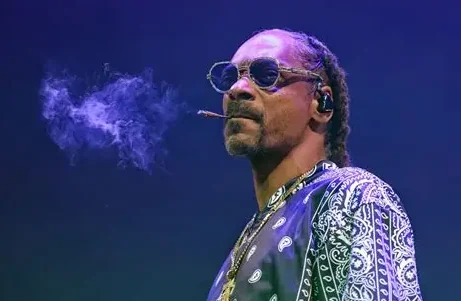
Independent Artists Should Study the Career, Not Just the Music
Most independent artists will never host the VMAs.
That's not really the lesson.
The lesson is understanding how to build beyond the immediate release.
Young artists often structure their entire careers around the next song.
How many streams did it get?
How many people viewed the Reel?
Did it get on a playlist?
Those questions matter in the beginning.
But careers lasting decades require bigger thinking.
What does your name represent?
Could your personality work outside music?
Could your expertise become a podcast?
Could your audience support merchandise?
Could you host events?
Could you act?
Could you produce?
Could you own something?
Could your brand still make sense when you're no longer the youngest artist in the room?
Snoop Dogg has been answering those questions for more than 30 years.
The answer keeps being yes.
Longevity Requires Reinvention Without Losing Yourself
There is another side to this that artists shouldn't ignore.
Reinvention doesn't mean desperately chasing whatever young audiences currently think is cool.
That usually looks forced.
Snoop didn't become Snoop because he constantly tried to transform himself into the newest rapper.
He allowed himself to become an older version of Snoop.
That sounds simple, but it's important.
An artist's identity should be able to mature.
A 20-year-old rapper and a 50-year-old rapper don't have to represent the exact same things.
Audiences mature too.
Life changes.
Priorities change.
Business opportunities change.
The artists who last learn how to bring their audience with them rather than spending their entire career attempting to freeze time.
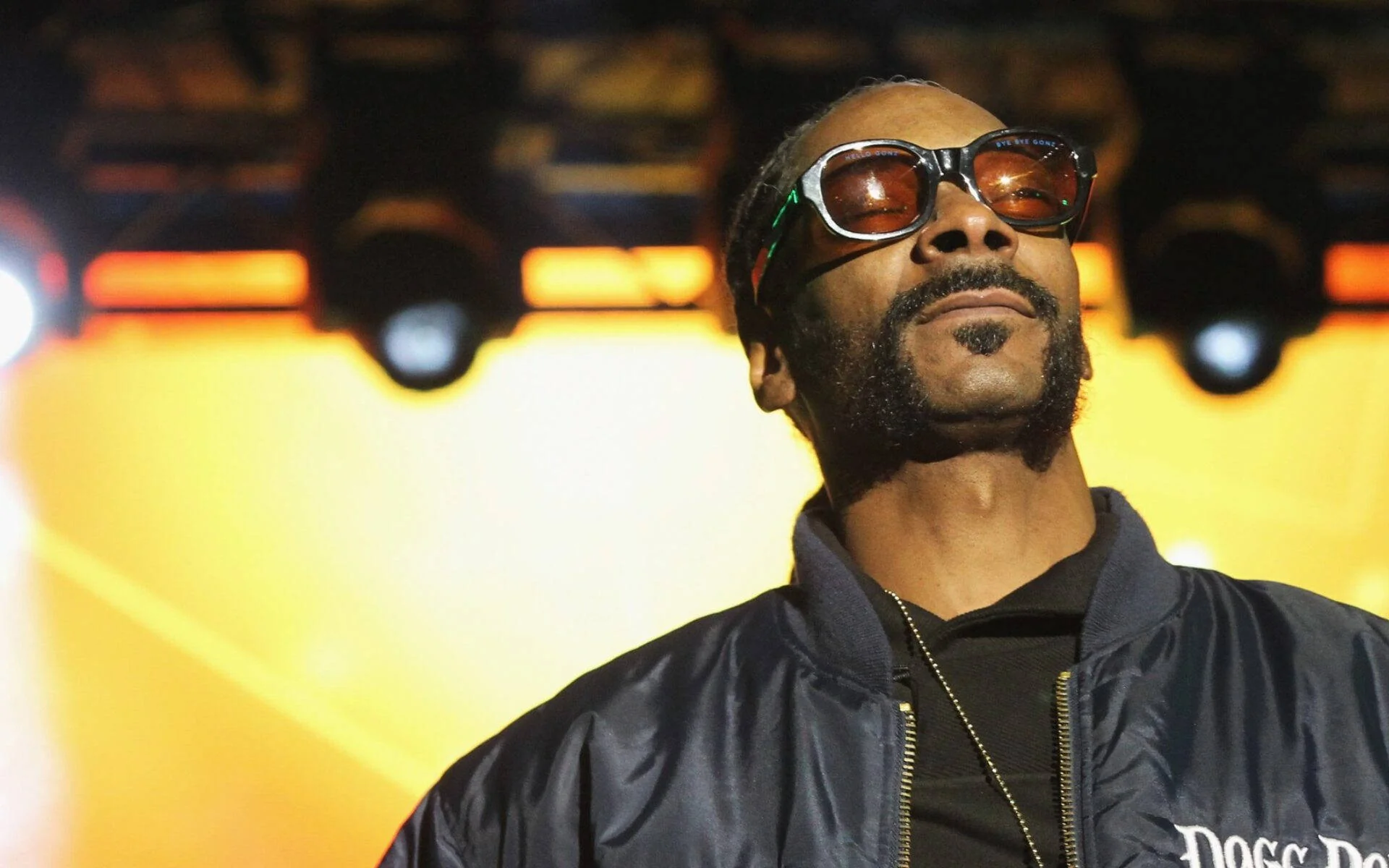
From Rap Star to Cultural Institution
Hip-hop spends a lot of energy celebrating who's hot right now.
There is nothing wrong with that.
The culture was built on competition.
But sometimes we should pay just as much attention to who's still standing.
Snoop Dogg entered the game during one of the most dangerous and controversial periods in rap history.
Thirty-plus years later, he's hosting the VMAs.
Think about that journey.
From the young rapper America wasn't sure what to do with to the man MTV trusts to lead one of its biggest nights.
That's not just fame.
That's adaptation.
That's relationships.
That's branding.
That's business.
And most importantly, that's longevity.
Independent artists should understand something from Snoop's career:
Your first goal may be getting people to hear your music. Your long-term goal should be building something that still has value after the newest song stops trending.
Snoop Dogg already became a rap legend.
Now he's showing hip-hop what it looks like when a legend learns how to become an institution.
On September 27, he won't just be attending the VMAs.
He'll be hosting them.
That's what a full circle looks like.
Jalen Cross
TRACK WIRE | BTS Music Group
We Don't Follow the Map. We Change the Whole Route.
Comments (0)
No comments yet. Be the first to say something.